

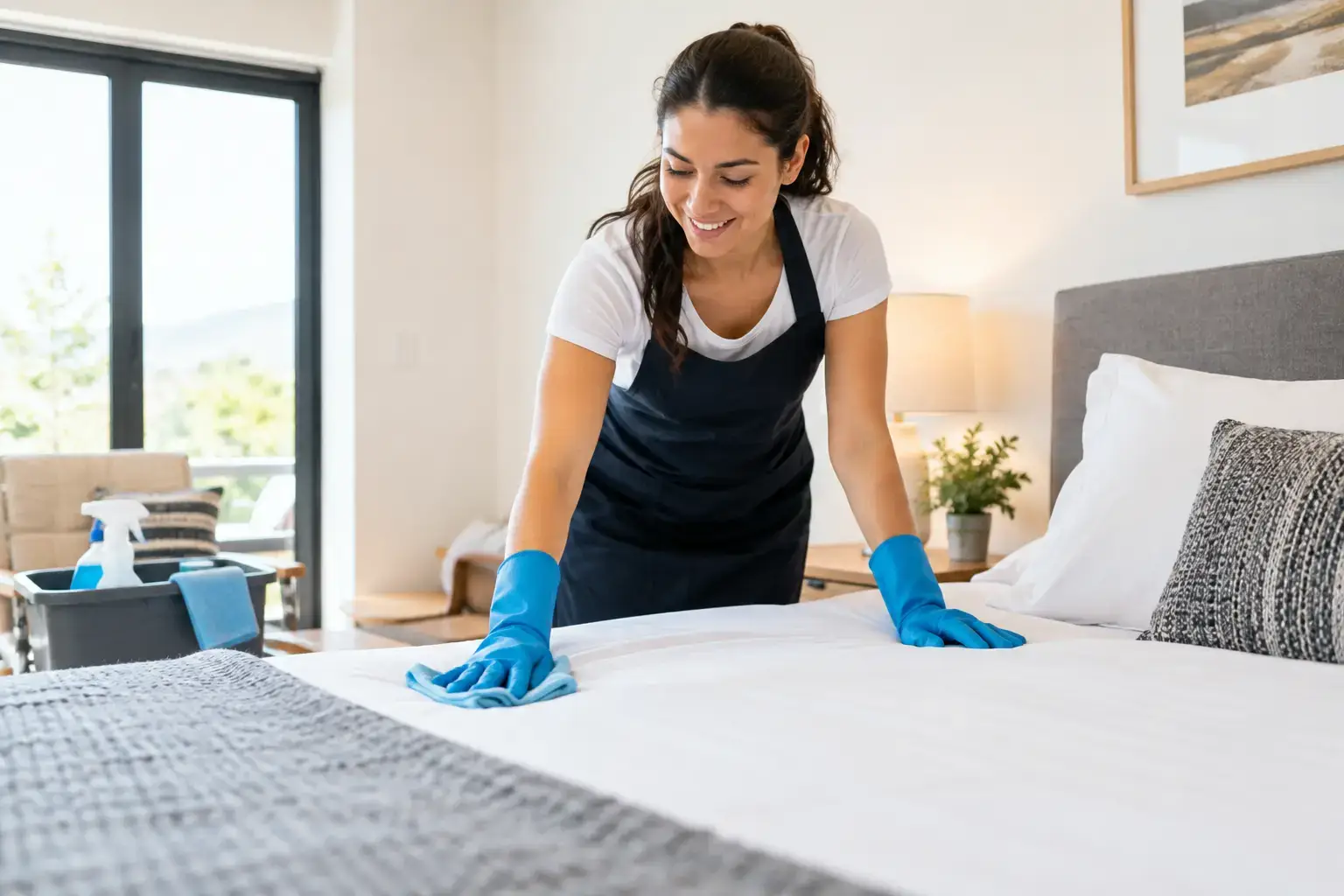
A guest who says, “The place was spotless,” is not only complimenting your rental. They are telling future travelers that your property feels safe, cared for, and worth booking. Airbnb host cleaning feedback can directly shape your ratings, search visibility, repeat stays, and the amount of time you spend resolving complaints after checkout.
For hosts in busy markets such as San Jose and the greater Silicon Valley area, a clean property is the baseline, not a bonus. Guests compare your rental to hotels, newly renovated apartments, and other well-managed short-term stays. The most useful feedback helps you see the property through a guest’s eyes, then turn small details into a consistent turnover standard.
Why Cleaning Feedback Matters So Much to Airbnb Guests
Guests may forgive a compact bathroom, street noise, or a less-than-perfect view if the home is clean and accurately described. They are much less forgiving of hair in the shower, crumbs in drawers, a sticky countertop, or a trash bin that was not emptied. These issues create an immediate impression that the rest of the property may not be maintained properly.
Cleaning comments also carry unusual weight in reviews because they are easy for future guests to understand. A traveler may have different preferences about neighborhood, decor, or mattress firmness. Nearly everyone expects fresh linens, sanitized bathrooms, clean floors, and a kitchen that is ready to use.
Positive comments build confidence before a guest books. Negative comments can raise doubts even when the overall rating remains high. One review mentioning dirty floors or an uncleaned refrigerator may cause a potential guest to choose another listing with slightly fewer amenities but stronger cleanliness feedback.
Read Airbnb Host Cleaning Feedback for Patterns
Do not react to every comment as a separate emergency. Instead, look for patterns across guest reviews, private messages, and your own inspection notes. If multiple guests mention dust on surfaces, the problem may be a rushed dusting process, poor tool selection, or a turnover schedule that does not allow enough time between bookings.
Pay attention to the exact language guests use. “Clean enough” is different from “spotless.” “The bathroom was fine” does not have the same value as “the bathroom looked freshly sanitized.” Specific praise tells you what guests notice and what should remain part of your standard.
Negative feedback should be sorted by area and by severity. A missed coaster under a couch is worth correcting, but it does not carry the same risk as used towels, food left in the refrigerator, or a bathroom that appears unsanitized. Address health, hygiene, and guest-comfort issues first.
Separate Cleaning Problems From Property Problems
Not every complaint that sounds like a cleaning issue is caused by the cleaning team. A worn shower caulk line can look dirty even after careful cleaning. Hard-water buildup may return quickly on glass doors. An aging couch with permanent stains may make an otherwise tidy living room feel neglected.
This distinction matters because asking cleaners to solve a maintenance or replacement issue will not produce better results. Keep a simple repair list alongside your cleaning checklist. Replace damaged linens, refresh stained bath mats, repair loose hardware, and schedule deeper work for grout, fixtures, and appliances when routine cleaning is no longer enough.
Turn Feedback Into a Clear Turnover Checklist
A reliable turnover depends on a written standard, not memory. The checklist should reflect the actual layout of your rental and the feedback guests have shared. A studio apartment with a kitchenette needs a different process than a three-bedroom home with outdoor seating, a laundry room, and multiple bathrooms.
Start with the details that affect the guest’s first five minutes in the property. Entryways should be swept and free of debris. Floors should look clean from standing height and feel clean under bare feet. Lights should work, odors should be neutral, and the space should feel reset rather than quickly tidied.
In the kitchen, confirm that dishes are clean and put away, counters are sanitized, the sink is free of food residue, and the refrigerator is empty unless you intentionally provide welcome items. Check appliance handles, cabinet fronts, microwaves, coffee makers, and the area around the trash bin. These are common touchpoints that guests notice immediately.
Bathrooms deserve extra attention because they influence cleanliness ratings more than almost any other room. Sanitize toilets, sinks, faucets, tubs, showers, and high-touch surfaces. Polish mirrors, replace used supplies, remove hair from drains and corners, and make sure towels are fresh, dry, and neatly arranged. A clean bathroom should look cared for before a guest turns on the light.
Bedrooms and living areas need more than a quick linen change. Inspect mattresses and pillows, make beds neatly, wipe nightstands, dust visible surfaces, vacuum or mop under furniture when practical, and check for forgotten items. Pay close attention to remote controls, light switches, door handles, and other high-touch areas.
For properties with outdoor spaces, include patios, balconies, entry steps, and outdoor furniture in the turnover plan. Leaves, dust, cobwebs, and dirty cushions can lower a guest’s impression before they even walk inside.
Use Photos to Verify the Work Before Check-In
Photos are one of the simplest ways to reduce uncertainty between a cleaning visit and guest arrival. A cleaner or turnover manager can document key areas after every service: made beds, bathrooms, kitchen counters, refrigerator interiors, living room floors, and entry points. The goal is not to create extra paperwork. It is to catch mistakes before they become reviews.
Photo verification is especially helpful for same-day checkouts and check-ins. When your schedule is tight, you need a clear record that the property was inspected, supplies were replenished, and visible areas met your standards. If a guest reports an issue later, photos can also help you understand whether it was missed during cleaning, caused after service, or related to a maintenance concern.
A final walk-through still matters. Photos cannot always show odor, the feel of a sticky surface, a loose towel bar, or a dishwasher that was left running. Someone should enter the home with a guest mindset and check that it is genuinely ready for arrival.
Give Cleaners Specific, Useful Feedback
The best feedback is direct, respectful, and tied to a solution. “Guests said the unit was not clean” is too broad to improve performance. “A guest found hair on the shower wall and crumbs in the toaster. Please add both items to the final bathroom and kitchen inspection” gives a trained cleaning specialist something concrete to correct.
Share positive feedback, too. If guests regularly praise the fresh linens, organized kitchen, or spotless floors, tell the team. Positive recognition reinforces the details that are helping your listing stand out and supports a better long-term working relationship.
It also helps to establish a process for urgent issues. A guest may arrive early, notice a missed item, or request additional towels shortly after check-in. Your cleaner or cleaning company should know who to contact, what decisions they can make, and how quickly they are expected to respond. Fast, professional recovery can prevent a minor issue from becoming a damaging public review.
Know When Routine Cleaning Is Not Enough
Routine turnover cleaning keeps a property guest-ready between stays. It cannot always remove accumulated grime, stubborn hard-water marks, grease buildup, dust behind furniture, or odors trapped in upholstery. Scheduling periodic deep cleaning protects the condition of the rental and reduces the chance that guests notice gradual decline.
How often you need deep cleaning depends on occupancy, the number of guests, pets, outdoor access, and the age of the property. A high-volume rental may need detailed attention every few months, while a lower-occupancy home may need it less often. Seasonal resets are also useful before peak travel periods or after a long series of back-to-back bookings.
Professional Airbnb turnover cleaning can be especially valuable when you manage more than one property, live outside the area, or need reliable support during fast turnovers. 4A Easy Clean LLC provides trained cleaning specialists, flexible scheduling, and detailed cleaning support for hosts who need a dependable local team. The right partner should follow your property-specific checklist, communicate clearly, and treat each turnover as part of the guest experience.
Respond to Guest Comments With Accountability
When a guest mentions a cleaning issue, respond promptly and without arguing. Thank them for bringing it to your attention, apologize for the experience, and explain that you have addressed the concern. Keep the response short and professional. Future guests are watching how you handle problems as much as they are reading the complaint itself.
Avoid making promises you cannot keep. If a guest reports a concern during their stay, offer a realistic solution, whether that means sending someone back to address the issue, providing replacement items, or making an appropriate adjustment. The right response depends on the severity of the problem and how quickly it can be corrected.
A strong cleanliness reputation is built one turnover at a time. Treat every piece of guest feedback as a practical signal: refine the checklist, fix what is worn, communicate expectations clearly, and verify the finished work before the next guest walks through the door.