

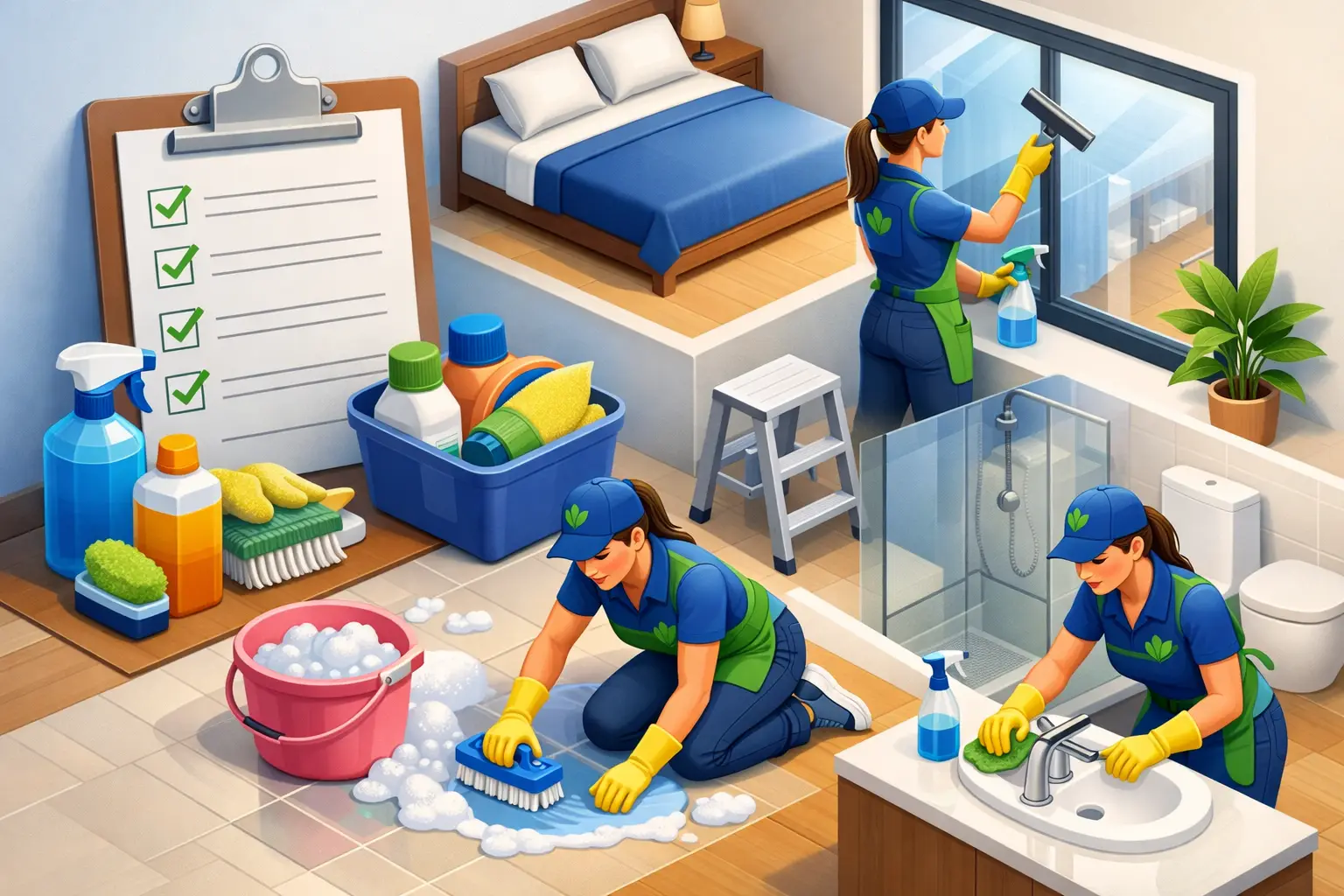
A regular tidy keeps a home looking good. A true deep clean tackles the places that collect grease, dust, pet hair, and germs long after the visible mess is gone. Use this deep cleaning checklist for house projects when you are preparing for guests, moving, changing seasons, or simply ready to reset your space.
Deep cleaning does not need to mean cleaning every inch in one exhausting day. The better approach is to work from high to low, complete one room at a time, and focus first on areas that affect hygiene and everyday comfort. Set aside enough time, gather your supplies, and give yourself permission to split the work over a weekend.
Before You Start Your Deep Cleaning Checklist for House
Start by removing clutter from counters, floors, tables, and bathroom surfaces. Cleaning around piles of mail, toys, or laundry takes longer and makes it easy to miss important areas. Put items away, donate what you no longer need, and move loose objects into a basket if you need to sort them later.
Gather microfiber cloths, a vacuum with attachments, a mop, a scrub brush, gloves, a nonabrasive sponge, and trash bags. Choose products suited to the surfaces in your home. For households with children or pets, eco-friendly, pet-safe products can be a practical choice, but always follow product directions and allow surfaces to dry completely.
Work from the top of each room down. Dust ceiling fans, vents, and shelves before wiping furniture and vacuuming floors. This prevents dust from falling onto surfaces you have already cleaned. Open windows when weather allows, especially when using stronger bathroom or kitchen cleaners.
Kitchen Deep Cleaning Checklist
The kitchen often needs the most detailed work because it combines food preparation, moisture, grease, and frequent traffic. Begin with the highest surfaces and finish with the floor.
Appliances and food-prep surfaces
Clean the inside and outside of the microwave, including the turntable and door seal. Wipe the refrigerator handles, exterior, and top, then remove expired food and wipe shelves and drawers. If you are cleaning behind or beneath the refrigerator, move it carefully and avoid damaging the water line.
Degrease the stovetop, knobs, range hood, backsplash, and the wall around the cooking area. For an oven with baked-on residue, use a cleaner made for ovens and give it the dwell time listed on the label. Rushing this step usually means more scrubbing and less effective results.
Wipe cabinets, drawer pulls, light switches, and pantry shelves. Pay extra attention to handles, where fingerprints and cooking residue build up. Clean and disinfect counters after removing appliances and containers so you can reach the full surface.
Sink, dishwasher, and floors
Scrub the sink basin, faucet, drain area, and garbage disposal splash guard. Run an empty dishwasher-cleaning cycle if recommended by the manufacturer, and wipe the filter and door edges. These areas can hold food particles and develop odors even when the kitchen appears clean.
Vacuum or sweep under the table, along baseboards, and beneath movable furniture. Finish by mopping the floor with a cleaner appropriate for tile, vinyl, laminate, hardwood, or natural stone. Too much water can damage some flooring, so a lightly damp mop is often the safer option.
Bathroom Deep Cleaning Checklist
Bathrooms demand attention because soap scum, mineral deposits, moisture, and germs can build up quickly. If more than one bathroom needs cleaning, finish one completely before moving to the next. It keeps supplies organized and gives disinfectant enough contact time.
Remove shower products and wash the tub, shower walls, fixtures, shower door or curtain, and grout lines. Hard-water stains may need a specialty product and repeated treatment. Avoid abrasive pads on delicate finishes, since they can leave permanent scratches.
Clean the toilet from top to bottom, including the flush handle, lid, seat hinges, exterior, and base. Use a separate cloth or disposable material for the toilet area so bacteria are not transferred to sinks and counters. Wipe mirrors, vanity lights, cabinet fronts, drawer pulls, and switches.
Empty and wipe the medicine cabinet, then clean the sink, faucet, drain, and counter. Replace towels, clean the bath mat according to its care label, and vacuum or mop behind the toilet and along the baseboards. A fresh bathroom should look clean, smell neutral, and feel dry rather than heavily fragranced.
Bedrooms and Living Areas
Bedrooms and shared living spaces collect dust, skin cells, fabric fibers, and pet hair. These rooms may not look as demanding as a kitchen or bathroom, but deep cleaning them makes the whole home feel noticeably fresher.
Strip beds and wash sheets, pillowcases, and blankets. Vacuum the mattress slowly, including edges and seams. Rotate the mattress only if the manufacturer recommends it and if it can be done safely. Wash pillow protectors and mattress covers when applicable.
Dust ceiling fans, vents, blinds, curtain rods, lamps, picture frames, shelves, and baseboards. Use a vacuum attachment for upholstered furniture, under cushions, and along the edges where debris settles. For leather or specialty fabrics, use products approved for that material rather than a general-purpose spray.
Move lightweight furniture to vacuum underneath it. Clean glass tables, remote controls, door handles, switches, and frequently touched surfaces. Launder washable throw blankets and cushion covers, then spot-clean rugs according to their label. For wall-to-wall carpet with stains, pet odors, or heavy buildup, professional extraction may be more effective than rental equipment.
Entryways, Hallways, and Often-Missed Areas
Entryways bring in dust, pollen, mud, and outdoor residue. Clean the inside of the front door, handles, trim, light fixtures, and nearby walls. Shake out or wash mats, then vacuum the corners and mop hard floors.
Do not skip the overlooked areas that make a deep clean complete:
- Baseboards, door frames, window sills, and blinds
- Ceiling fans, air vents, and light fixtures
- Light switches, outlet covers, and cabinet pulls
- Trash cans, laundry baskets, and pet feeding areas
- Under beds, sofas, appliances, and movable storage units
- Garage entry doors, utility-room floors, and interior closet shelves
These tasks may seem small, but they are often where dust and grime are most visible once the main surfaces are clean. If you have allergies, pets, or a busy household, focusing on vents, soft furnishings, and floors can make the biggest difference in day-to-day comfort.
How Often Should You Deep Clean?
For many homes, a full deep clean every three to six months is a realistic schedule. Families with young children, shedding pets, frequent visitors, or heavy cooking routines may benefit from more frequent detailed cleaning. A rental property, Airbnb, or home being prepared for sale may need a more intensive one-time service with a faster turnaround.
It also depends on what routine cleaning already covers. If bathrooms, kitchen counters, floors, and high-touch points are cleaned weekly, deep cleaning can focus on appliances, hidden dust, grout, and areas behind furniture. If cleaning has been delayed for several months, plan for extra time or consider professional support.
A detailed cleaning appointment can be especially helpful before a move-in, move-out, holiday gathering, or property turnover. Trained cleaning specialists can handle the work methodically while you focus on packing, organizing, or managing your schedule. For homeowners and renters in San Jose and nearby Silicon Valley communities, 4A Easy Clean LLC provides customized deep cleaning with dependable scheduling and a satisfaction-focused standard.
A clean home does not have to come from doing everything at once. Choose one room, complete it well, and let the results build. The best checklist is the one that helps your home feel healthier, more comfortable, and ready for the life happening inside it.