

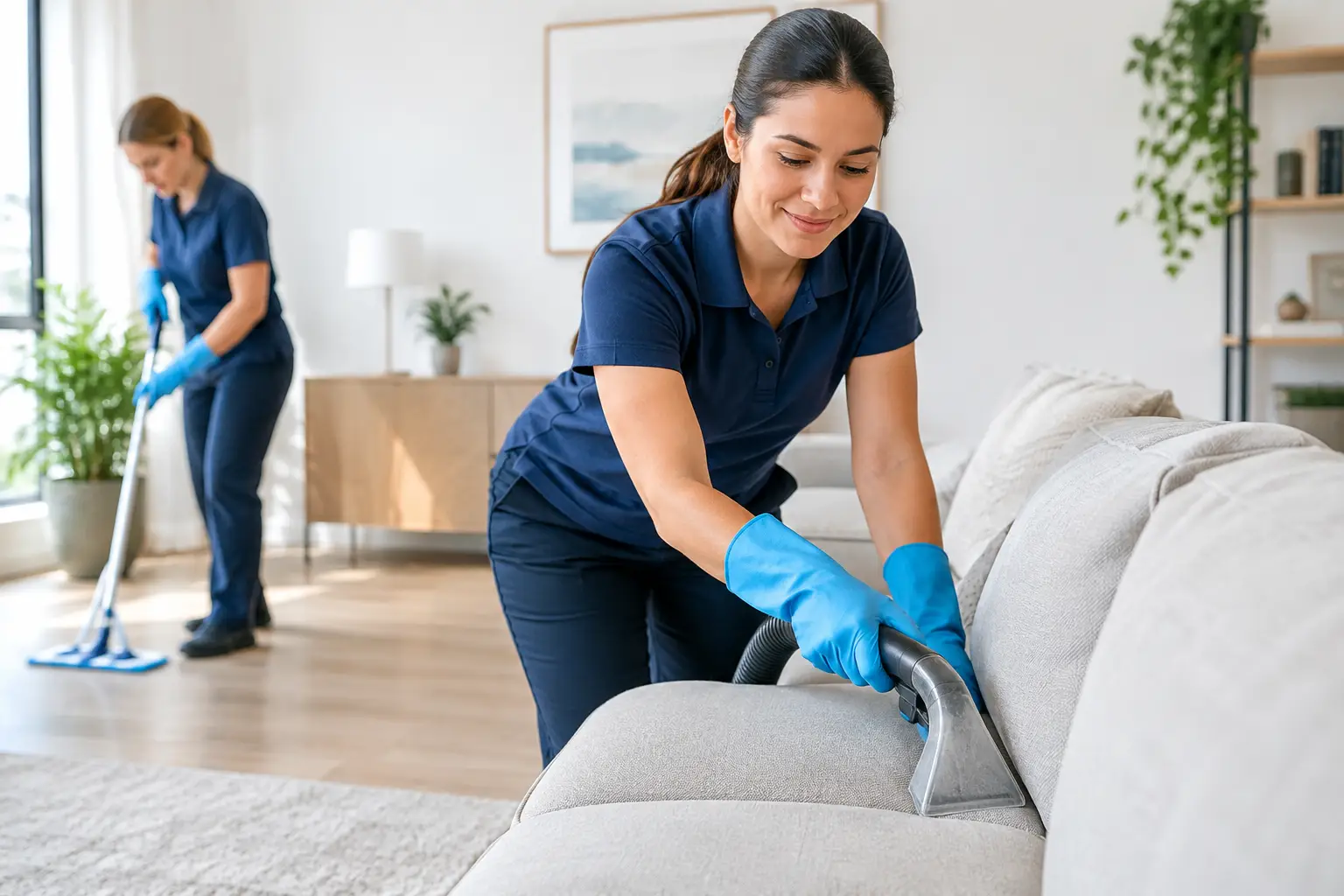
A room can look clean and still carry an odor that makes it feel neglected. The smell may show up when you walk through the front door, open a cabinet, turn on the air conditioning, or enter a recently vacated apartment. So, does deep cleaning remove odors? Often, yes - but the result depends on what is causing the odor and how far it has traveled into surfaces, fabrics, or building systems.
A proper deep clean removes the residue that feeds many common odors: grease, food particles, soap scum, pet hair, tracked-in dirt, spills, and moisture buildup. When the source is still present, fragrance products only mask the problem. Detailed cleaning addresses it directly.
Does Deep Cleaning Remove Odors Completely?
Deep cleaning can completely remove many household and workplace odors when the source is on or near cleanable surfaces. Kitchen odors, bathroom smells, stale apartment odors, light pet smells, and lingering food odors often improve substantially after a detailed cleaning of floors, baseboards, fixtures, appliances, cabinets, and high-touch areas.
The key is that odor removal requires more than making a room look tidy. A quick surface wipe may leave grease behind a stove, residue inside a trash cabinet, grime around a toilet base, or spills beneath furniture. Those overlooked areas can continue releasing odors even after the visible mess is gone.
However, cleaning has limits. If an odor comes from mold behind a wall, a plumbing leak, sewage backup, pests inside a structure, heavy smoke damage, or pet urine that has soaked through carpet padding and subflooring, cleaning alone may not solve it. Those situations may require repair, remediation, deodorization equipment, or replacement of affected materials.
Why Odors Linger After Regular Cleaning
Most persistent odors are not caused by one obvious dirty spot. They build up in porous materials and hard-to-reach areas. Upholstery, carpets, curtains, grout, wood, cabinet interiors, mattress fabrics, and HVAC filters can hold odor-causing particles for weeks or months.
In kitchens, the usual culprits are cooking grease, old food debris, garbage disposal buildup, refrigerator spills, and residue on range hoods or cabinet doors. In bathrooms, odors often come from damp towels, mildew on grout or caulk, soap buildup, hair in drains, or moisture trapped around toilets and sinks.
Homes with pets need special attention because dander, fur, drool, litter particles, and old accidents can collect in places that routine cleaning misses. Even a well-maintained office can develop a stale smell from breakroom appliances, carpet traffic, full trash cans, damp entry mats, and poorly cleaned restrooms.
Deep cleaning works because it expands beyond the visible center of the room. It targets the places where residue settles, moisture collects, and odors quietly return.
What a Deep Clean Should Target for Odor Control
An effective odor-focused cleaning plan should be tailored to the space. A move-out apartment, a family home with pets, and a busy office do not have the same odor sources or cleaning priorities.
For a kitchen, detailed work should include degreasing the stovetop and surrounding surfaces, wiping cabinet fronts and interiors as needed, cleaning appliance exteriors, sanitizing sinks, and removing crumbs and residue from edges and corners. Cleaning the trash area is especially important, including the bin, lid, floor, and nearby wall surfaces.
In bathrooms, odor control often requires cleaning and disinfecting toilets, sinks, shower walls, tubs, grout, floors, baseboards, exhaust vents, and the area around plumbing fixtures. A clean-looking bathroom can still smell unpleasant if moisture and residue remain in corners or around the toilet base.
Floors matter throughout the property. Vacuuming removes loose hair, dust, and debris, while mopping or appropriate floor treatment lifts the grime that shoes, pets, and spills leave behind. Carpets and upholstered furniture may need separate professional treatment if odors have settled deeply into fibers.
For rental turnovers and move-in or move-out cleaning, empty rooms make it easier to locate odor sources. Cleaners can inspect cabinet interiors, closets, appliances, walls near trash areas, bathroom corners, and flooring that may have been hidden by furniture. This is one reason a detailed turnover clean can make a property feel much more welcoming to the next resident or guest.
When Deep Cleaning Is Not Enough
A dependable cleaning service should be honest about what cleaning can and cannot fix. If an odor returns quickly after a thorough deep clean, that is a sign the source may be below the surface or inside a system that needs another type of professional attention.
Common examples include:
- Pet urine in carpet padding or subflooring: Surface cleaning may reduce the smell, but old or repeated accidents can require enzyme treatment, carpet extraction, or replacement of damaged padding.
- Smoke odor: Light, recent smoke odors may improve with detailed cleaning of walls, ceilings, fabrics, and hard surfaces. Long-term cigarette smoke often penetrates paint, insulation, carpet, and ventilation systems.
- Mold or mildew: Cleaning visible mildew is not the same as correcting the moisture problem that caused it. Leaks, poor ventilation, or water damage should be addressed promptly.
- Drain or sewer odors: A dirty drain can sometimes be cleaned, but sewer gas, recurring drain odors, or slow drainage may call for a plumber.
- Pest-related odors: Droppings, nesting materials, or a deceased animal inside a wall or crawl space require pest-control or property-maintenance support.
Trying to cover these odors with sprays can make the air smell stronger without making it cleaner. Finding the source is the better investment.
How to Get Better Results From a Deep Cleaning
Before scheduling a deep clean, walk through the space and identify where the odor is strongest. Is it concentrated in the kitchen, a bathroom, a closet, a carpeted bedroom, or near an air vent? Sharing this information helps trained cleaning specialists focus their time where it will matter most.
It also helps to remove obvious sources before service, such as old food, full trash bags, damp laundry, pet waste, and expired refrigerator items. If possible, allow the space to air out during and after cleaning. Fresh airflow will not remove the source of an odor, but it can help clear lingering particles once the source has been cleaned.
For households with pets or small children, ask about products used in the cleaning process. Eco-friendly, pet-safe products can be a practical choice for routine odor control, especially when the goal is to maintain a clean home without harsh chemical smells.
After a successful deep clean, regular maintenance keeps odors from rebuilding. Wipe kitchen grease before it hardens, empty trash regularly, dry wet bathroom surfaces, wash pet bedding, clean spills quickly, and keep air filters on a consistent replacement schedule. These smaller habits protect the work of a more detailed service.
A Fresh Start for Homes, Rentals, and Workplaces
Odor concerns are especially common before a move, after tenants leave, before an open house, or when preparing an Airbnb for new guests. In these situations, a clean scent-free space signals care before anyone notices the details. Guests, buyers, employees, and incoming residents form impressions quickly.
For Silicon Valley property managers, homeowners, and business owners, a professional deep clean can be a practical first step when a space feels stale or has a noticeable everyday odor. 4A Easy Clean LLC provides detailed, customized cleaning with trained specialists who can focus on the areas that need the most attention.
If a smell persists, do not assume more air freshener is the answer. Start by removing the residue and buildup you can reach, then investigate any odor that remains. A clean space should feel fresh because the source has been addressed, not because it has been covered up.