

A room can look spotless and still hold the particles that trigger sneezing, itchy eyes, coughing, or congestion. That is why the question is not simply whether cleaners remove allergens, but how thoroughly they remove them from the places where they settle, collect, and get stirred back into the air.
For busy households, pet owners, renters preparing for a move, and office managers, regular cleaning can reduce the everyday buildup that makes indoor spaces less comfortable. The best results come from a methodical approach: remove allergen-containing dust rather than spreading it around, clean high-contact and soft surfaces, and address the areas that routine tidying usually misses.
What Allergens Can Collect Indoors?
Many indoor allergens are too small to notice until they build up. Common examples include dust mite particles, pet dander, pollen tracked in from outdoors, mold spores, and cockroach-related allergens. These particles can settle into carpet fibers, upholstered furniture, bedding, curtains, baseboards, window tracks, and HVAC vents.
Silicon Valley homes often see a mix of indoor dust and outdoor pollen, especially when doors and windows are opened regularly. Pets can add dander to furniture and floors, while moisture around bathrooms, kitchens, and laundry areas can create conditions where mold may develop. Cleaning does not replace medical care or solve every air-quality issue, but it can reduce the amount of allergens sitting on household surfaces.
How Cleaners Remove Allergens Instead of Moving Them Around
The difference between allergy-aware cleaning and a quick wipe-down is technique. Dry dusting with a feather duster or sweeping aggressively can send fine particles into the air, where they may settle somewhere else a few minutes later. A trained cleaner uses methods designed to capture debris and remove it from the space.
HEPA Vacuuming Removes More From Floors and Fabrics
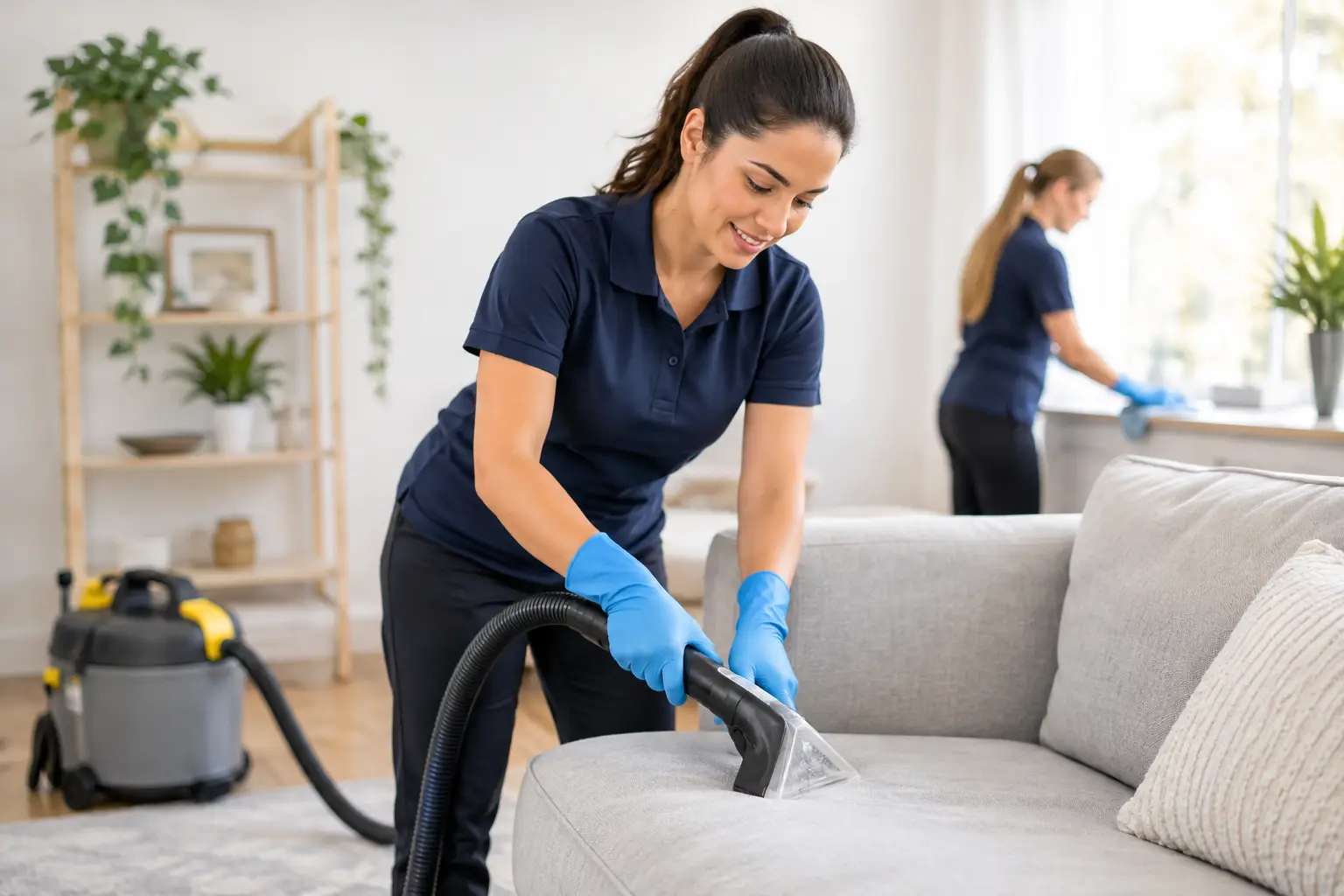
Carpets, rugs, mattresses, and upholstered sofas are major collection points for dust, dander, and pollen. Vacuuming is essential, but the vacuum itself matters. A well-maintained vacuum with effective filtration, ideally HEPA filtration, is better equipped to trap very small particles rather than releasing them through its exhaust.
Professional cleaning teams also work more deliberately than a rushed pass through the room. They vacuum edges, under furniture where practical, stair corners, area rugs, and upholstered surfaces that are often skipped during weekly cleaning. For homes with pets or heavy carpet use, this extra attention can make a noticeable difference.
Damp Dusting Captures Fine Particles
Microfiber cloths and damp-wiping methods help collect dust from hard surfaces. Instead of scattering particles, a slightly damp microfiber cloth holds onto them until the cloth is rinsed or replaced. This is particularly useful for ceiling fan blades, blinds, shelves, baseboards, picture frames, doors, and the tops of cabinets.
A thorough cleaning service also works from high to low. Dust on a ceiling fan or upper shelf eventually falls, so high surfaces should be handled before floors are vacuumed or mopped. It is a simple sequence, but it prevents repeated work and leaves less residue behind.
Mopping Removes Residue From Hard Floors
Hard floors can hold pollen, dust, pet dander, and outdoor debris brought in on shoes. Vacuuming or dry dusting first removes loose debris, while damp mopping helps lift the finer residue that remains. Clean mop heads and fresh cleaning solution matter. Reusing dirty water can redeposit particles instead of removing them.
For households with children or pets, eco-friendly and pet-safe products can be a practical choice. They support a clean home without adding unnecessarily harsh odors or residues. The right product still depends on the flooring material, so cleaners should use solutions appropriate for hardwood, tile, laminate, vinyl, or stone.
The Areas That Need Deep Cleaning Most
Routine cleaning helps control buildup, but some allergen hotspots need deeper, less frequent attention. Bedrooms are especially important because people spend many hours there. Dust can collect around bed frames, nightstands, under beds, and on curtains, while mattresses and upholstered headboards may need specialized attention.
Bathrooms and kitchens deserve close attention for a different reason: moisture. Cleaning soap residue, food spills, grease, and damp corners helps reduce the chance of mold growth. A cleaning service can scrub tile, grout, fixtures, sinks, counters, backsplashes, and frequently touched surfaces, but visible mold, recurring moisture, leaks, or water damage may require a separate inspection or remediation professional.
Do not overlook entries, laundry rooms, closets, and window areas. Pollen and dust often enter at doors and windows, then migrate across the home. In a move-in or move-out cleaning, these details are especially valuable because empty rooms make it easier to reach baseboards, corners, closet shelves, and flooring beneath where furniture once sat.
When Professional Allergen-Focused Cleaning Helps
Professional cleaning is useful when regular upkeep has fallen behind, but it can also support a maintenance routine. Families may schedule a deep cleaning after a renovation, before welcoming a new baby, after a tenant moves out, or when seasonal pollen is especially heavy. Property managers and Airbnb hosts may also need fast, detailed turnovers to prepare a fresh and comfortable space for incoming guests.
For an office, reducing dust on desks, shared surfaces, floors, break rooms, and restrooms helps create a cleaner environment for employees and visitors. Office cleaning should be scheduled around the way the workplace operates, particularly in busy shared spaces where dust and tracked-in debris return quickly.
The right frequency depends on the home or business. A household with several pets, wall-to-wall carpet, open windows, or allergy-sensitive residents may benefit from more frequent service than a lightly used apartment with mostly hard flooring. A cleaner can help with surface allergen reduction, but severe allergies, asthma concerns, persistent odors, active mold, and HVAC problems may call for additional support from a doctor, allergist, inspector, or qualified indoor-air professional.
Practical Steps Between Cleaning Visits
Professional service works best alongside a few simple habits. Leave shoes at the door when possible, wash bedding regularly in hot water when fabric care instructions allow, and replace HVAC filters on the schedule recommended for your system. Keeping humidity under control and using kitchen and bathroom exhaust fans can also help prevent excess moisture.
It is also smart to reduce clutter in areas where dust gathers easily. Open shelves filled with rarely used items take longer to clean thoroughly, while clear floors and accessible furniture make routine vacuuming more effective. These changes do not need to make your home feel bare. They simply make it easier to keep the surfaces you use every day clean.
A Detailed Clean Makes the Difference
Allergen reduction is not about making a home smell strongly scented or look clean for an hour. It is about removing the dust, dander, pollen, and residue that settle into everyday living spaces. That requires reliable tools, careful sequencing, clean materials, and attention to the overlooked areas behind and beneath furniture.
4A Easy Clean LLC provides trained cleaning specialists for homes, apartments, offices, rental turnovers, and deep-cleaning projects throughout San Jose and nearby communities. A customized cleaning plan can focus on the rooms, fabrics, floors, and problem areas that matter most to your household or property.
If allergy season, pets, a recent move, or a busy schedule has made cleaning harder to stay ahead of, a detailed professional visit can give you a cleaner starting point - and make your regular routine easier to maintain.