

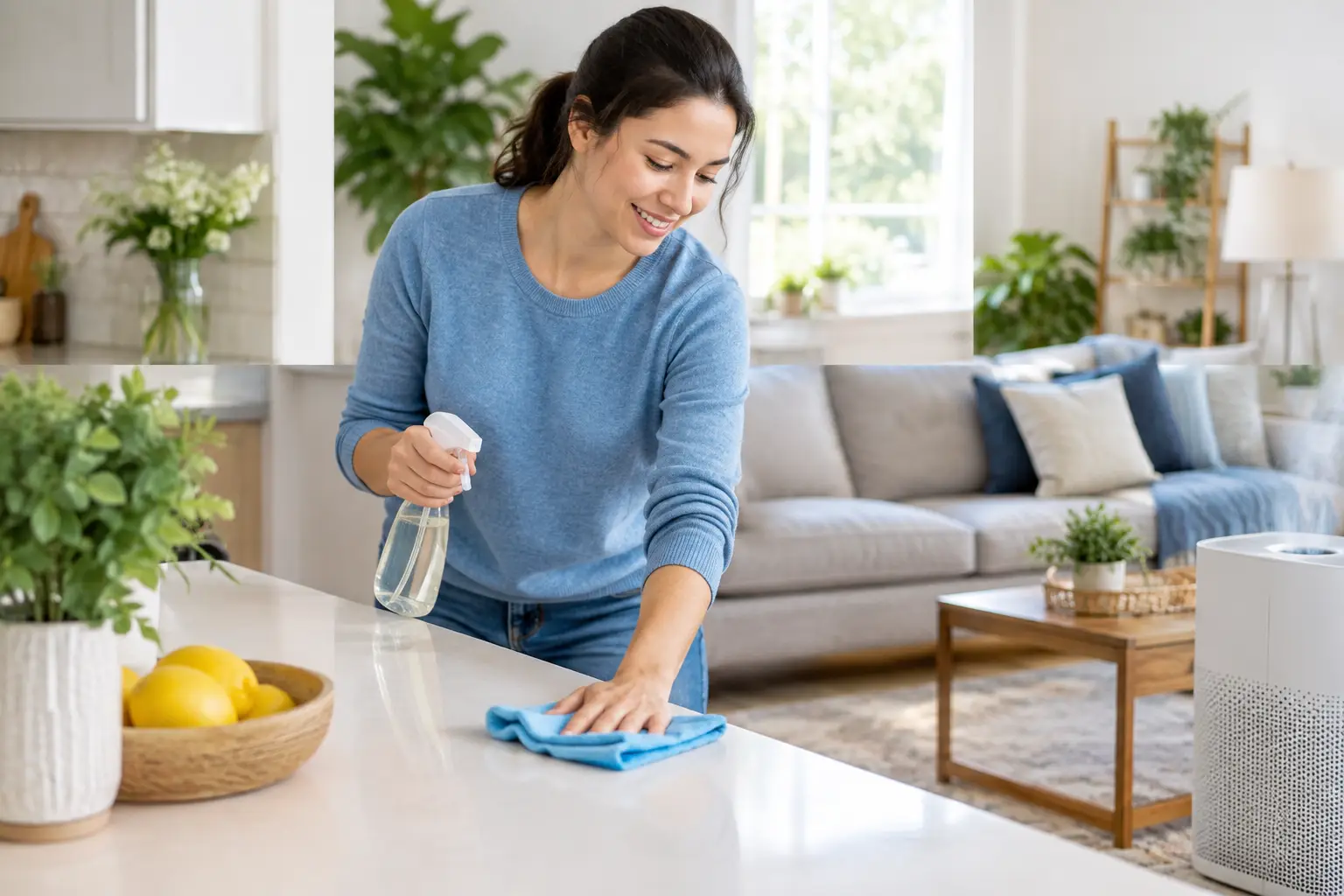
A room can look tidy and still smell wrong. That is because most household odors do not come from the air itself - they come from residue, moisture, bacteria, food particles, pets, or fabrics holding onto the smell. Learning how to eliminate home odors starts with locating that source instead of trying to cover it with candles, sprays, or plug-ins.
Air fresheners can make a home smell pleasant for a short time, but they rarely solve the problem. A cleaner, longer-lasting result comes from removing the material causing the odor, drying damp areas thoroughly, and keeping high-use spaces on a regular cleaning schedule.
How to Eliminate Home Odors: Start at the Source
Before cleaning, pay attention to when and where the smell is strongest. A sour smell near the kitchen sink may point to the disposal or drain. A musty bedroom could mean damp laundry, a dirty hamper, old carpeting, or poor ventilation. If the odor returns quickly after you clean, there is usually hidden buildup or moisture still present.
Common odor sources include:
- Food scraps in garbage cans, disposals, drains, and refrigerator drawers
- Pet hair, accidents, litter boxes, bedding, and upholstered furniture
- Damp towels, bath mats, shower curtains, and laundry
- Grease and burned-on residue around stoves, ovens, and range hoods
- Mold or mildew around windows, under sinks, behind toilets, or inside HVAC vents
Trust your nose, but also inspect the areas that do not get cleaned every day. Look under furniture, behind appliances, inside cabinets, and around baseboards. These spots often collect dust, hair, spills, and moisture without being noticed.
Remove Kitchen Odors Before They Spread
Kitchens collect strong odors quickly because heat, food, grease, and moisture are all present in one place. Start with the garbage can. Take out trash regularly, wipe the inside and lid with a suitable cleaner, and allow it to dry before replacing the liner. A clean trash can makes a bigger difference than many people expect.
Next, clean the sink and disposal. Run cold water while using the disposal, then flush it well. Food particles can cling below the drain opening and create a sour, rotten smell. Scrub the sink basin, faucet base, drain cover, and countertop seams, where spills and grease can settle.
Do not overlook the refrigerator. Check for expired food, leaking containers, wilted produce, and drips under drawers. Remove shelves and bins when possible, wash them with warm soapy water, and dry them completely before putting food back. An open box of baking soda can help absorb mild refrigerator odors, but it will not fix spoiled food or a spill that has not been cleaned.
For cooking odors, wipe down the stove, backsplash, cabinet fronts, and range hood. Grease can travel farther than it appears to, especially after frequent frying or high-heat cooking. Open windows or run the exhaust fan while cooking when possible. Better airflow helps keep odors from settling into curtains, walls, and upholstery.
Handle Bathroom Odors With Cleaning and Drying
A bathroom that smells stale or musty often needs more than a quick wipe of the counter. Moisture is the main issue. Wet towels, shower curtains, bath mats, and grout can all hold odors when they stay damp too long.
Wash towels and bath mats regularly, and hang them so they can dry fully between uses. If a shower curtain liner has mildew stains or continues to smell after washing, replacing it may be the practical choice. Clean the toilet thoroughly, including the exterior, base, hinges, and the floor around it. Small splashes can leave an odor behind even when the toilet bowl looks clean.
Pay attention to drains as well. Hair, soap residue, and standing water can produce unpleasant smells. Remove visible debris from the drain cover and clean the surrounding area. If you notice a persistent sewer-like odor, slow drainage, or water damage, the issue may be plumbing-related rather than a cleaning problem. In that case, it is better to contact a qualified plumber than repeatedly add products to the drain.
Running the bathroom exhaust fan during showers and for a while afterward can reduce humidity. If there is no fan, opening a window and keeping damp fabrics off the floor are simple ways to help the room dry out.
Freshen Fabrics, Carpets, and Upholstery
Soft surfaces are often the reason an otherwise clean home still has an odor. Carpets, rugs, sofas, mattresses, curtains, and pet beds absorb cooking smells, smoke, body oils, and pet dander over time. Vacuuming removes loose dirt and hair, but it may not reach what is embedded deeper in the fibers.
Wash removable covers, blankets, throws, and curtains according to their care labels. Vacuum upholstery carefully, including under cushions and along seams. For carpets and rugs, treat spills promptly and avoid soaking the material, since excess moisture can create a mildew smell. If a pet accident reaches the carpet pad or a stain keeps reappearing, a deeper treatment may be needed.
Use odor-neutralizing products carefully. Fragranced products can be useful after cleaning, but heavily scented sprays sometimes make a room feel more irritating rather than cleaner. This matters especially for homes with children, pets, allergies, or scent-sensitive guests. Eco-friendly, pet-safe cleaning products are a practical choice when used as directed, but even gentle products need the right cleaning method to work well.
Keep Pet Odors Under Control
Pet odors are manageable, but they need routine attention. Wash pet bedding regularly, vacuum pet hair from floors and furniture, and clean litter boxes or cages on a dependable schedule. A litter box that is scooped daily and cleaned fully on a regular basis will make a noticeable difference in nearby rooms.
For accidents, blot up moisture right away rather than rubbing it into carpet or upholstery. Use an enzyme-based cleaner designed for pet messes, following the label instructions and allowing enough contact time. Standard surface cleaners may remove the visible mark while leaving behind odor-causing residue that encourages a pet to return to the same spot.
If the entire home has a lingering pet smell, focus on the fabrics and hidden hair. Vacuum along baseboards, beneath beds, under sofas, and around pet resting areas. Clean washable wall marks, door frames, and lower cabinet fronts too. These areas can collect oils and dirt from frequent pet traffic.
Improve Airflow Without Masking the Problem
Fresh air is helpful, especially in busy homes, apartments, and rental properties where cooking, laundry, pets, and daily activity happen in close quarters. Open windows when weather and air quality allow. Use bathroom and kitchen exhaust fans, and make sure furniture is not blocking air vents.
Replace HVAC filters on schedule and keep return vents free of dust buildup. If your home smells musty when the heating or air conditioning starts, inspect the filter first. Persistent odors from the system, visible mold, or signs of water damage should be assessed by an HVAC professional.
Houseplants, candles, and room sprays can make a space feel welcoming, but think of them as finishing touches. They should never be the main plan for odor control. The goal is a home that smells clean because it is clean, dry, and well maintained.
When a Deep Cleaning Makes Sense
Sometimes regular upkeep is not enough. Odors can become stubborn after a move, a long vacancy, a renovation, an illness, a pet accident, or months of missed deep cleaning. Rental turnovers and move-out situations often need detailed attention to cabinets, appliances, bathrooms, floors, walls, and overlooked storage areas before the next resident or guest arrives.
A professional deep cleaning is also useful when you do not have time to identify every problem area yourself. Trained cleaning specialists can work through the spaces where odors commonly hide, from greasy kitchen surfaces to bathroom buildup and dust-heavy baseboards. For homeowners, renters, Airbnb hosts, and property managers in the San Jose area, 4A Easy Clean LLC can provide detailed, flexible cleaning support tailored to the condition of the property.
A clean-smelling home does not need to smell like perfume. It should smell neutral, dry, and cared for - the kind of space where you can open the door, take a breath, and feel comfortable right away.